
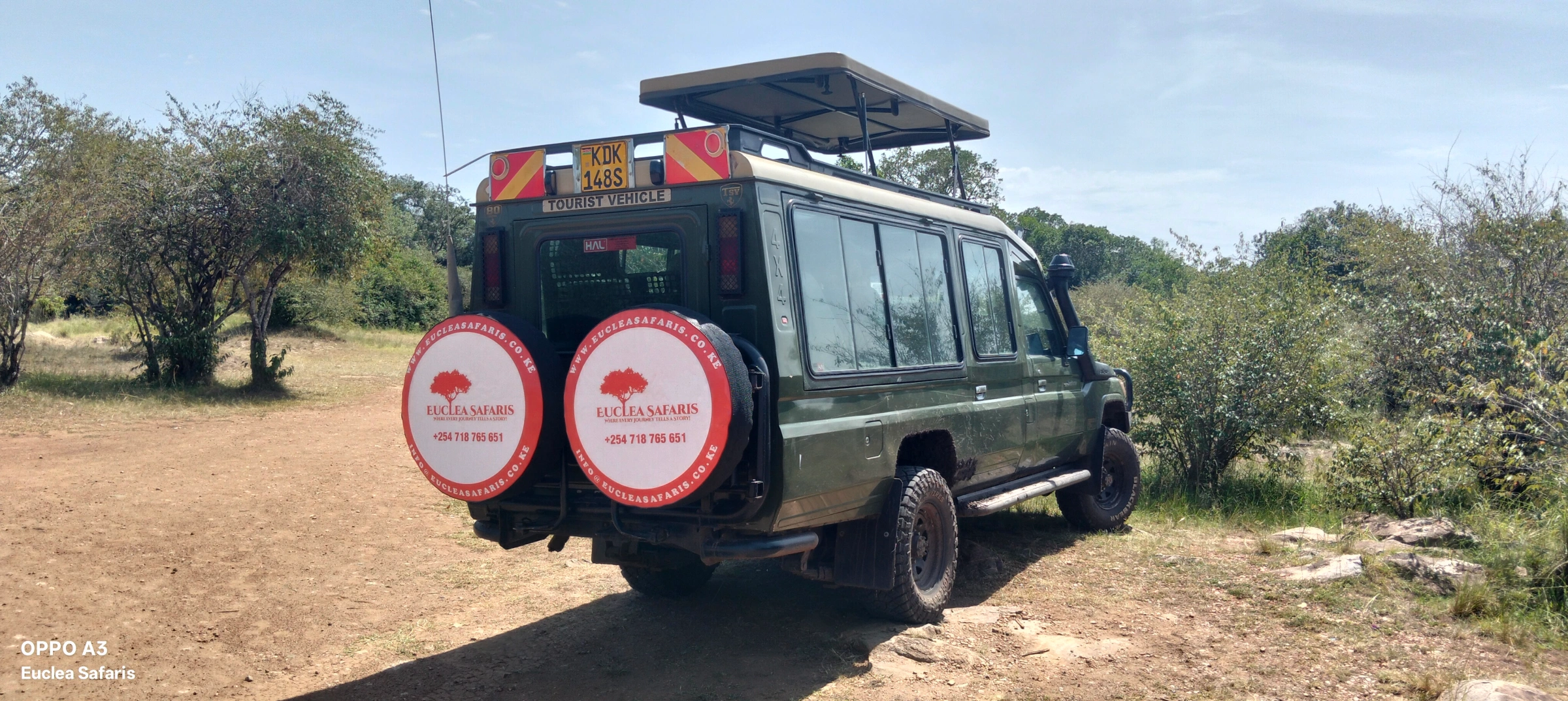
How to plan a Kenya safari in 2026 or 2027
A Kenya safari is easiest to enjoy when the route, season, accommodation and travel pace are planned as one journey rather than as a checklist of famous parks. Kenya can deliver classic savannah, elephant country, highland conservancies, Rift Valley lakes, dry northern landscapes and coastal extensions in a single trip—but trying to fit all of them into too few days usually means spending more time on the road than with wildlife.
This guide is designed for travellers planning a first Kenya safari in 2026 or 2027. Use it together with Euclea Safaris’ Start Here guide, our Kenya destination collection, published safari packages and safari accommodation. If you already know your travel month and approximate number of days, Plan My Safari is the fastest way to request a personalised route.
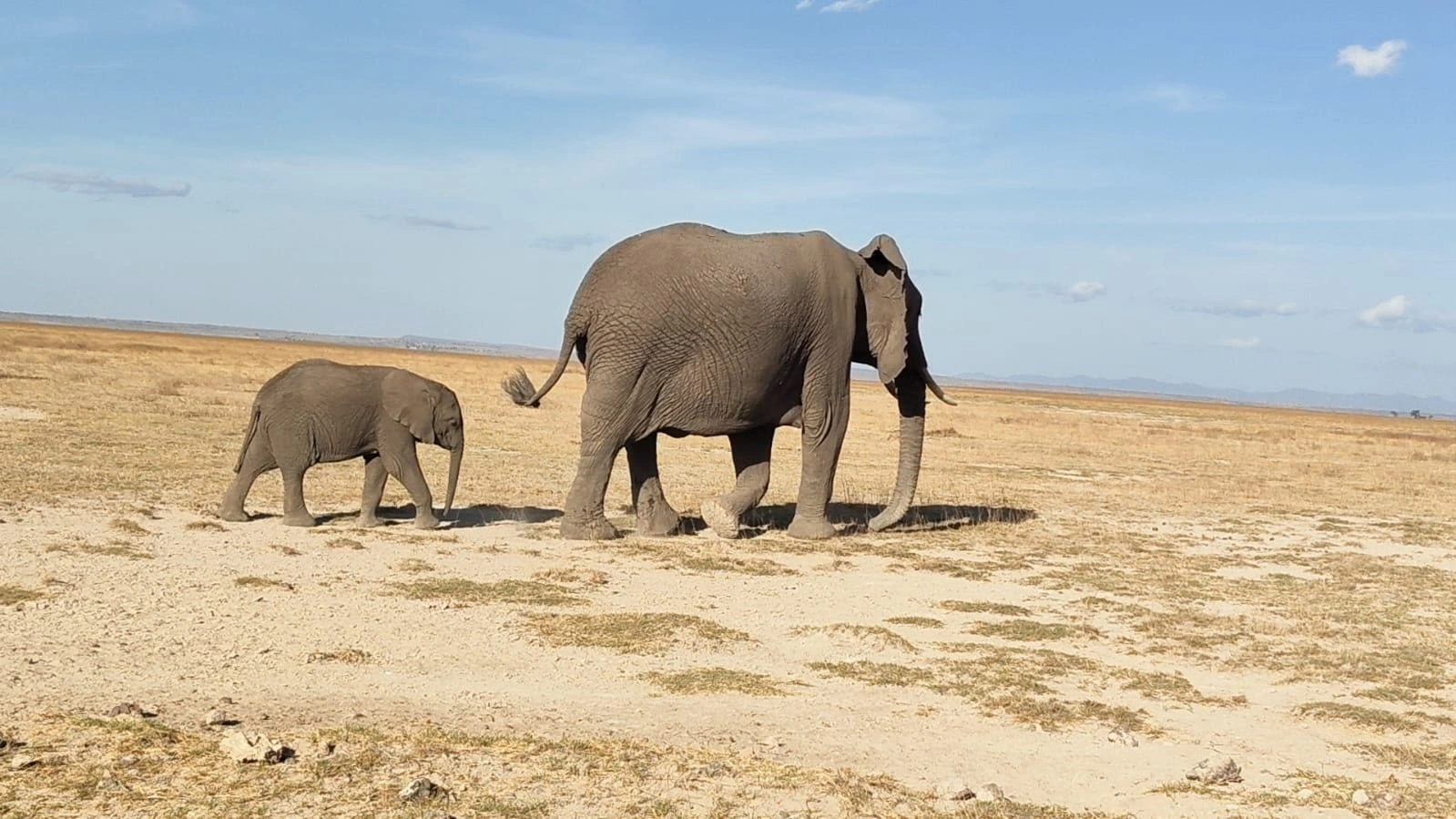
Amboseli is one of Kenya’s classic first-safari landscapes, especially for elephant viewing and Kilimanjaro-backed photography when weather conditions are clear.
1. Start with the kind of safari you actually want
Before choosing parks, decide what would make the trip feel successful to you. A first-time visitor focused on the Big Five may build the route around the Maasai Mara, Ol Pejeta Conservancy and Amboseli National Park. A photographer may prefer fewer destinations with longer stays. Families often benefit from shorter transfer days and lodges with swimming pools, family rooms and flexible meal times. Repeat visitors may prefer Samburu, Meru, Laikipia or Tsavo for a different landscape and lower-density experience.
Our Big Five Safaris, Family Safaris, Photography Safaris, Honeymoon Safaris and Cultural Experiences help organise the site around travel style rather than park names alone.
2. Choose complementary destinations
Maasai Mara National Reserve
The Maasai Mara is Kenya’s best-known safari landscape and a strong choice for predators, plains wildlife and the seasonal Great Migration. The reserve’s official website describes a 1,510-square-kilometre protected area that forms part of the larger Mara–Serengeti ecosystem. It is rewarding throughout the year; migration timing adds a seasonal dimension rather than being the only reason to visit. See the official Maasai Mara National Reserve website.
Amboseli National Park
Amboseli is particularly strong for elephants, wetlands and open views toward Mount Kilimanjaro. It combines naturally with Nairobi and, on longer trips, Tsavo. Our 7 Day Kenyan Wildlife Odyssey is an example of using Amboseli as the opening chapter rather than squeezing it into a one-night stop. For current park information, use the Kenya Wildlife Service Amboseli page.
Lake Naivasha and Lake Nakuru
The Rift Valley creates a useful bridge between southern parks and the Mara. Lake Naivasha brings water, birdlife and optional boat experiences, while Lake Nakuru National Park adds rhino conservation and approximately 450 recorded bird species according to Kenya Wildlife Service. Lake Nakuru is also officially recognised as a sanctuary for both black and white rhinos.
Samburu and northern Kenya
Samburu National Reserve has a very different visual character from the Mara. Samburu County highlights the Ewaso Nyiro River, high elephant numbers and the northern dryland species often called the Samburu Special Five: Grevy’s zebra, reticulated giraffe, gerenuk, Beisa oryx and Somali ostrich. This makes a northern circuit valuable even for travellers who have already seen the Big Five elsewhere.
Ol Pejeta and conservation country
Ol Pejeta Conservancy gives a safari a stronger conservation focus. The conservancy protects black rhinos, is home to the last two northern white rhinos and operates the Sweetwaters Chimpanzee Sanctuary. Official visitor information is available on the Ol Pejeta website.
3. How many days do you need?
| Trip length | Best use | Example |
|---|---|---|
| 1 day | Nairobi excursion or very focused park visit | Nairobi National Park |
| 3–4 days | One main safari region without rushing | Maasai Mara, Amboseli, Samburu or Meru |
| 5–7 days | Two to four complementary regions | Amboseli + Rift Valley + Maasai Mara |
| 8–10 days | Broader Kenya circuit with slower pacing | Rift Valley + Laikipia + Samburu + Ol Pejeta |
| 10+ days | Safari plus coast, specialist photography or multi-country travel | Private tailor-made itinerary |
As a rule, adding nights usually improves a safari more than adding destinations. Two nights in a wildlife area normally provide at least one complete morning and afternoon cycle, while three nights create more flexibility for weather, photography and natural wildlife movement.
4. Road safari or flying safari?
Road safari
A private 4x4 road safari lets you experience the landscape between destinations, keep one guide for the journey and carry luggage more simply. It is especially practical for routes such as Nairobi–Amboseli, Nairobi–Naivasha–Nakuru–Mara and Nairobi–Samburu–Ol Pejeta.
Flying safari
Internal flights reduce long transfer days and can make sense for the Maasai Mara, Samburu and Laikipia, particularly on shorter luxury trips. The trade-off is usually stricter luggage allowances, more dependence on flight schedules and additional airstrip transfers. Explore our Flying Safaris if time efficiency matters more than overland travel.
5. When should you travel?
Kenya is a year-round safari destination, but every month changes the balance between rainfall, vegetation, wildlife visibility, visitor numbers, birding, migration movements and price. July to October is strongly associated with migration activity in the Mara, but river crossings and herd locations cannot be guaranteed for a particular day. January and February are often drier in many safari regions. The greener periods can be excellent for landscape photography and birding, although some roads become more challenging after heavy rain.
For a month-by-month breakdown, read our Best Time to Visit Kenya for Safari guide.
6. What does a good safari quotation include?
Never judge a safari only by the headline total. Compare what is actually included: vehicle type, whether transport is private or shared, accommodation category, meals, park and conservancy fees, internal flights, airport transfers, activities, drinking water, guide services and whether the final price changes with party size.
Euclea packages show their configured pricing model, while the final quotation confirms what applies to your dates. Read our Kenya Safari Cost Guide before comparing two offers that appear to be priced differently.
7. What to pack for a Kenya safari
- Neutral, lightweight clothing that can be layered for cool mornings and warmer afternoons.
- A light jacket or fleece, especially for Nairobi, the highlands and early game drives.
- Comfortable closed shoes plus sandals or casual footwear for lodge time.
- Hat, sunscreen and reusable water bottle.
- Binoculars if you enjoy birds or distant wildlife behaviour.
- Camera, spare batteries, memory cards and charging accessories.
- Any prescription medicines in your hand luggage.
- Soft-sided luggage if your safari uses light aircraft with stricter baggage rules.
8. Responsible wildlife travel
A good safari protects the experience as well as the wildlife. Kenya Wildlife Service rules generally require visitors to remain on established roads, respect safe wildlife-viewing distances, avoid feeding animals and follow park opening and closing times. In conservation centres such as the Sheldrick Wildlife Trust Nursery and Reteti Elephant Sanctuary, visitor interaction is deliberately controlled because the objective is rehabilitation and, where possible, return to the wild.
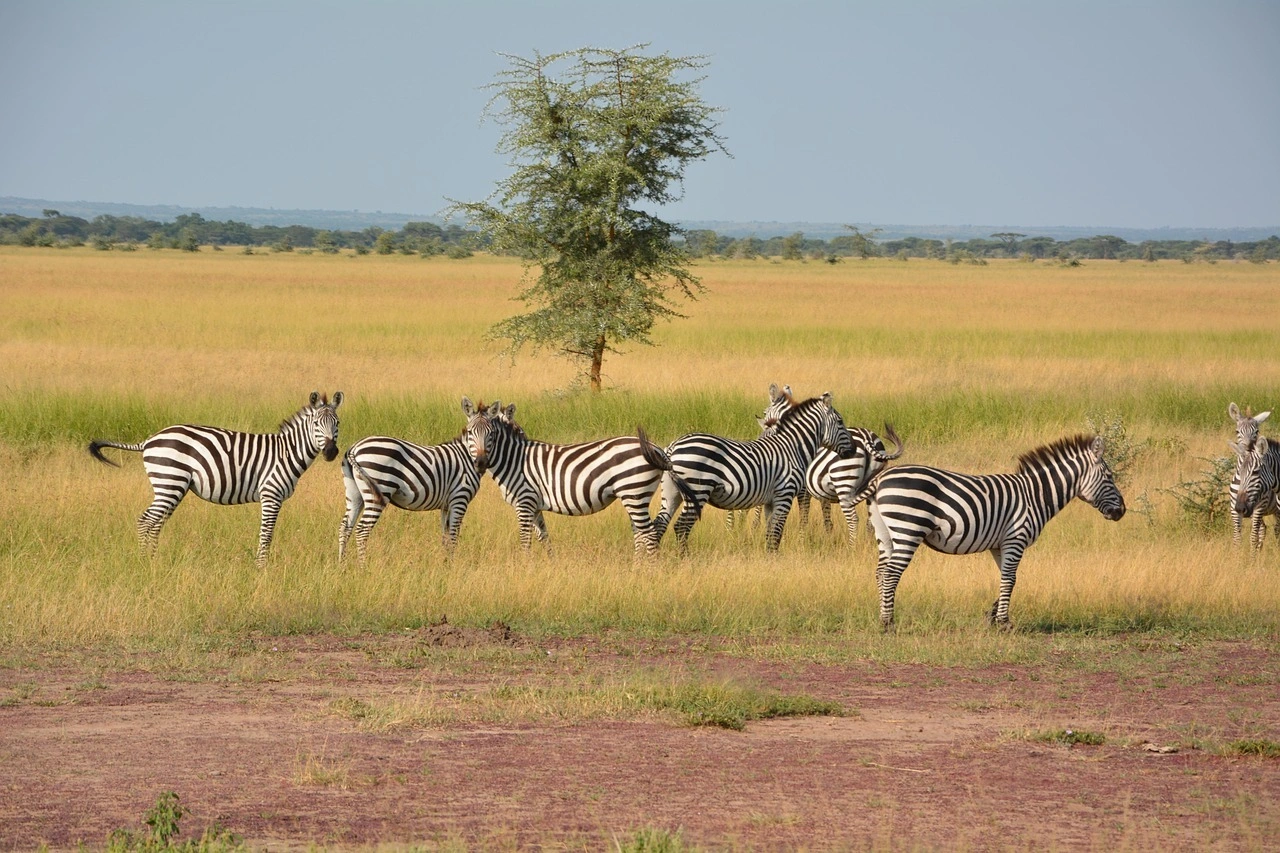
Adding a northern Kenya destination such as Samburu creates a strong contrast with the southern savannah circuit.
9. A practical first-safari route
For many first-time visitors with roughly one week, a route such as Nairobi → Amboseli → Lake Naivasha → Lake Nakuru → Maasai Mara → Nairobi is balanced because each stop adds something different. Amboseli brings elephants and Kilimanjaro; Naivasha brings water and a slower pace; Nakuru adds rhino conservation; and the Mara finishes with open savannah and predator-rich game viewing.
If your priority is conservation and northern species, consider Nairobi → Samburu → Ol Pejeta → Nairobi, or extend into Meru and Laikipia. There is no single “best” Kenya itinerary—the best route is the one that matches your time, interests and tolerance for travel between regions.
Frequently asked questions about Kenya safaris
Is Kenya good for a first African safari?
Yes. Kenya combines famous wildlife destinations, a mature tourism infrastructure, diverse accommodation and strong road and air connections. Nairobi also makes it possible to begin wildlife viewing almost immediately at Nairobi National Park.
Can I see the Big Five in Kenya?
Kenya has excellent Big Five regions, but sightings are never guaranteed. Combining complementary destinations such as the Maasai Mara and Ol Pejeta usually gives a stronger overall wildlife experience than treating the safari as a checklist.
Should I book a private safari?
A private safari gives your party control over departure times, photography stops and daily pacing. Shared safaris can be better value for solo travellers or guests who enjoy travelling with others. Choose according to the experience you want rather than assuming one format is always better.
How far in advance should I book?
For migration months, festive periods and small high-demand camps, earlier is better. If you are flexible about dates and accommodation, shorter lead times can still work. Domestic flights and specialist activities can become limiting factors before general road transport does.
Ready to turn this guide into your own Kenya safari?
Tell Euclea Safaris your travel month, number of nights, preferred comfort level and the experiences that matter most. We will turn those choices into a route with sensible drive times and enough time in each destination.
Plan My Safari · Browse Kenya Safaris · Talk to Euclea Safaris